What Actually Happens to Your Car After We Tow It Away
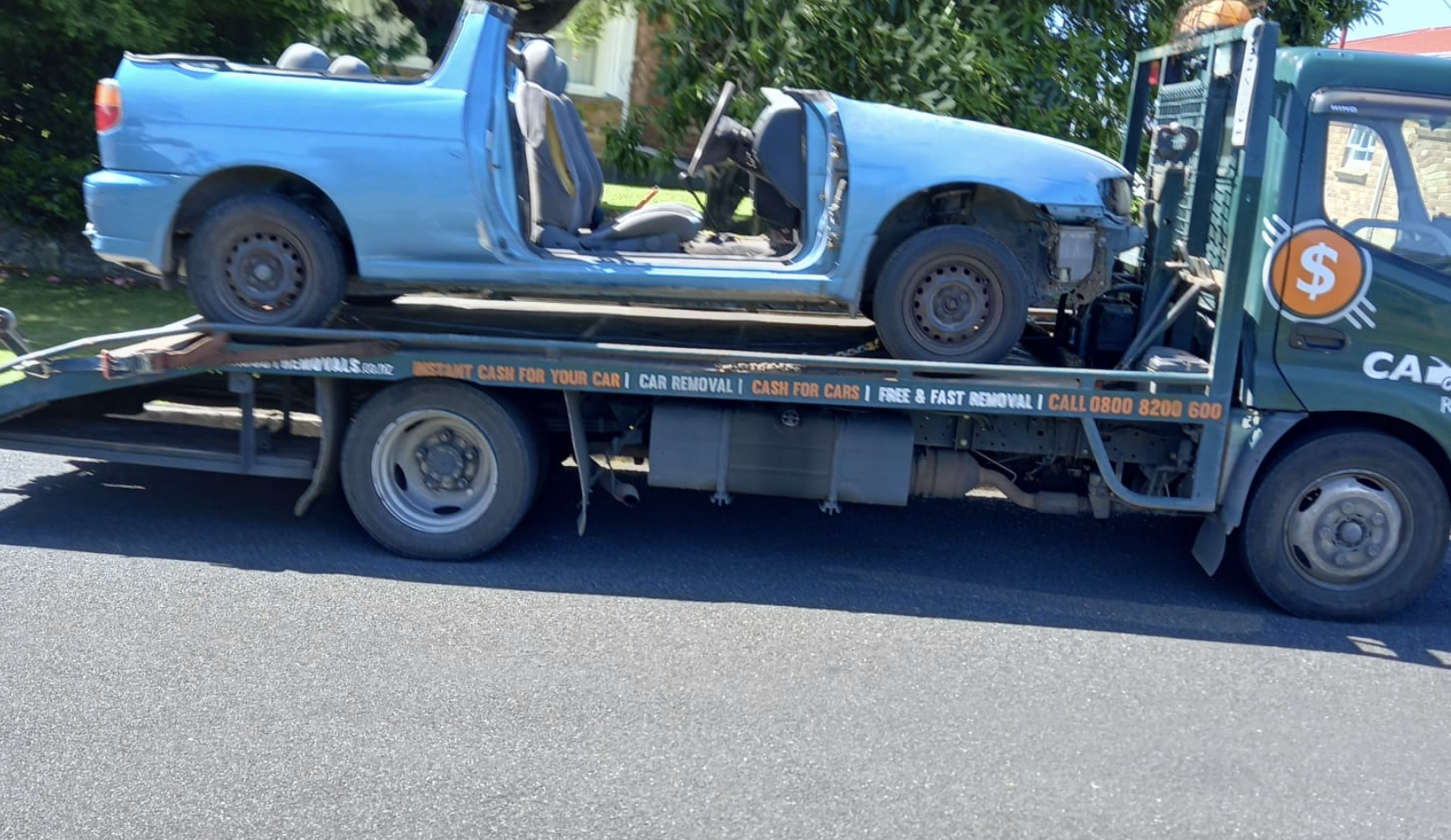
It’s the question we get asked at least once a week, usually right as the truck’s pulling out of the driveway: “So… where does it actually go?”
Fair enough, too. You’ve just handed over the keys to a car that might’ve been in the family for fifteen years. The least we can do is tell you what happens next.
So here it is – the full journey your car takes after our driver waves goodbye. It’s more interesting than you’d think, and a lot greener too.
Step 1: It gets weighed, checked and logged
First stop is one of our yards. Every vehicle that comes through gets weighed and logged into our system, and we confirm the deregistration paperwork is squared away so nothing ever comes back on you. If you haven’t deregistered it yet, don’t stress – we sort that as part of the car removal process. It takes us minutes and it means you’re officially no longer responsible for the vehicle.
This step matters more than people realise. We’ve heard horror stories of Kiwis who sold a scrap car to some bloke off Facebook Marketplace, only to get parking tickets from the other side of the city six months later. When you go through a proper car removal company, that can’t happen.
Step 2: The good bits come off
Here’s something that surprises a lot of people: even a car that hasn’t started since 2019 is full of parts someone else desperately needs.
Our team goes over each vehicle and pulls anything with life left in it. Alternators, starter motors, mirrors, door handles, seats, complete engines if they’re sound. That dented Toyota Hilux you thought was worthless? Its tailgate alone might save someone a four-week wait on parts shipped from Japan.
This is honestly one of the best parts of the job. Parts that would’ve rusted away in your driveway end up keeping other Kiwi cars on the road — and it’s a big part of why we can pay cash for cars that other buyers won’t touch.
Step 3: The nasty stuff comes out
Before anything gets crushed, every fluid comes out. Engine oil, coolant, brake fluid, transmission fluid, fuel, even the gas in the air-con system. All of it gets captured and either recycled or disposed of properly.
The battery comes out too (lead-acid batteries are actually one of the most recycled products on the planet — over 95% of one gets reused), along with the tyres and the catalytic converter, which contains small amounts of precious metals like platinum and rhodium.
An average car holds around 20 to 40 litres of fluids. Multiply that across the thousands of vehicles we process every year, and you start to see why proper eco recycling matters. One old car leaking into a backyard can contaminate soil for decades. That’s the quiet environmental cost of leaving a dead car sitting on the lawn “until I get around to it.”
Step 4: The crush
Once a car’s been stripped and drained, what’s left is basically a steel shell – and steel is endlessly recyclable.
The shell gets crushed and baled, then sent off to be shredded and melted down. That steel goes on to become new cars, construction beams, whiteware, you name it. Recycling steel uses around 70% less energy than making it from raw ore, so every car we process is a genuine win for the environment, not just a feel-good line on a website.
Roughly 80% of your car, by weight, gets recycled or reused one way or another. Not bad for something you thought was rubbish.
Why this should matter to you
If you’ve got an old car sitting around – whether it’s in Whangarei, Auckland, Tauranga, or anywhere down to Christchurch – you’ve really got three options:
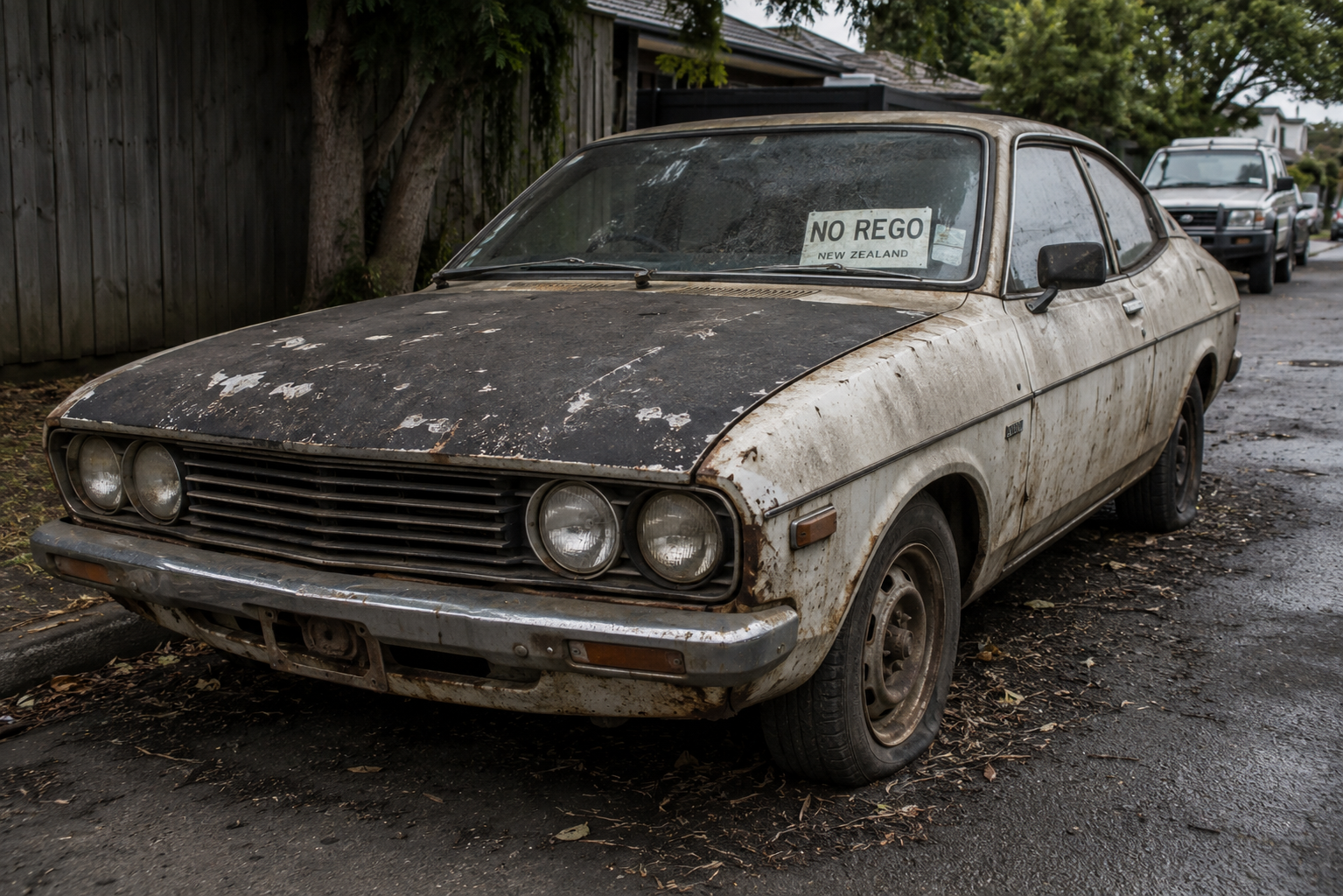
Leave it there. It’ll keep rusting, keep leaking, and keep dropping in value. A scrap car is worth the most the day you decide to sell it.
Sell it privately. Good luck. Cars that don’t run are a nightmare to sell, and you’ll deal with tyre-kickers, no-shows and lowballers for weeks.
Get it removed for cash. One phone call, free pickup, cash in hand, paperwork handled, and the car goes through the exact process you’ve just read about.
We know which one we’d pick, but then again, we’re biased.
The bottom line
Your old car doesn’t just disappear when we tow it away. It gets a second life – as parts keeping other cars running, as recycled steel in new products, and as properly handled waste that never ends up in a landfill or leaching into the ground.
So if there’s a car on your property that’s more garden ornament than vehicle these days, give us a ring on 0800 8200 600 or fill out our quick quote form. We’ll give you a fair price, pick it up for free, and now you’ll even know exactly where it’s going.
Car Body Removals has yards in Whangarei, Auckland, Tauranga, Taranaki, Wellington and Christchurch, and has been paying cash for cars across New Zealand for years. All vehicles are processed through our eco recycling programme.